Have you ever bought a certified pre-owned Fake Rolex ? Or have you even thought about it, perhaps while browsing the windows of an authorized dealer with that green label that promises warranty, authenticity, and peace of mind? The Certified Pre-Owned program has existed since 2022, but in Italy it’s still little talked about, and in May 2025, Rolex quietly changed one of its fundamental rules. A small change on paper, but significant enough in substance to be worth—as we’ll see—hundreds of millions of Swiss francs.
The threshold lowered from three to two years
Until recently, a Rolex had to be at least three years old to enter the CPO circuit. From May 2025, two years is enough. Rolex confirmed the change in an official response to questions from the trade press, but without issuing a separate press release. The news slipped by almost unnoticed, especially in Italy, where the program is still less established than in the Anglo-Saxon markets. But when a brand as powerful as Rolex quietly moves such a threshold, the question is always the same: why?
The market that has cooled
The answer lies in the secondary market numbers. Prices for steel sports watches—Submariner Date, GMT-Master II, Daytona—have dropped between 15 and 35% from their 2021-2022 peaks, depending on the reference. The infamous waiting lists have shortened; the bubble that burst in 2021-2022 has slowly subsided. Collectors who once bought every new model in duplicate now wait and watch.
In this context, lowering the CPO access threshold isn’t a gesture to the consumer. It’s a relief valve for inventory. Watches “stuck” in the antechamber of the secondary market suddenly become certifiable, and therefore—in the brand’s narrative—sellable at a different price.
How the Rolex CPO Program Really Works
The Rolex CPO is a closed system. Only authorized retailers can participate. Watches are authenticated and serviced by participating authorized retailers, following Rolex-established criteria, and come with a new two-year warranty and full branded packaging. No independent dealer can offer the same certification. No external expertise counts. The entire supply chain goes through Rolex.
The practical result is this: The average CPO premium in the second quarter of 2025 was 30% compared to non-certified retailers, with peaks of 42% at Bucherer boutiques in Europe and a minimum of 16% at some US dealers. You’re not buying a different watch. You’re buying a story, a certificate, an experience packaged with meticulous care. It’s the mise en scène of value: Rolex is extremely good at making what isn’t new seem new, and the premium you pay precisely reflects this work.
Half a billion francs is no coincidence.
Here comes the figure that changes perspective. According to the Morgan Stanley Swiss Watch Industry Report, in 2025, the CPO program generated approximately 500 million Swiss francs through 144 authorized retailers in 21 countries. To put the scale into perspective: If CPO were a standalone brand, it would rank around 15th in the global ranking of watch brands by estimated revenue—ahead of Hublot and Vacheron Constantin.
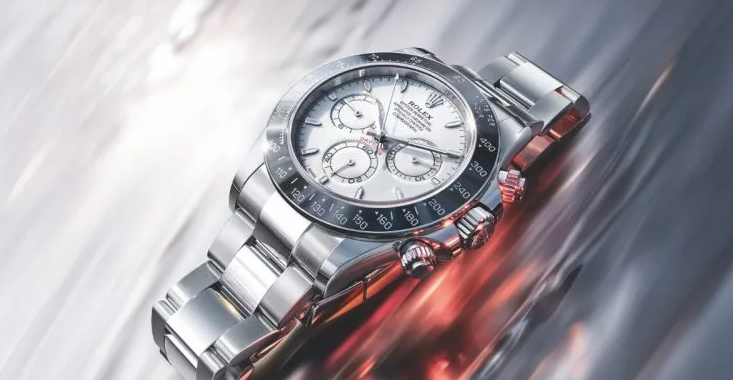
The connection to the May 2025 change is not difficult to trace. Lowering the eligibility threshold expanded the pool of certifiable watches at the precise moment the free secondary market was struggling. More eligible watches means more CPO volume, more margin remaining within the Rolex-controlled system—and less inventory depreciating on the open market. Essentially, it’s vertical integration disguised as a guarantee for the consumer. And Rolex does it better than anyone else.